


-

Add: HeBei ShengShi HongBang Cellulose Technology CO.,LTD.
-

Email
13180486930@163.com -

CONTACT US
+86 13180486930



In the world of modern construction, synthetic fibers have revolutionized the way materials are used, enhancing the strength, flexibility, and durability of various building components. The different types of synthetic fibers available today are engineered for specific uses, making them indispensable in many construction projects. These fibers are often used to reinforce concrete, improve the resilience of building structures, and provide additional benefits like increased fire resistance and weather protection. From polypropylene fibers to long glass fibers , synthetic fibers offer a range of options tailored to different needs. Whether it’s increasing the strength of cement or providing insulation properties, the different types of synthetic fibers ensure that construction projects meet high standards of quality and longevity. In addition to their superior performance, synthetic fibers are often more cost-effective and readily available than traditional materials. This makes them a preferred choice for construction companies aiming to reduce costs while maintaining high-quality results. Furthermore, the environmental impact of synthetic fibers is increasingly being addressed with sustainable production methods, making them a more eco-friendly option for the construction industry. Long Glass Fiber Polypropylene: A Key Ingredient for Stronger Materials One of the standout synthetic fibers in the construction industry is long glass fiber polypropylene . This innovative fiber combines the strength of glass with the lightweight, corrosion-resistant properties of polypropylene. As a result, long glass fiber polypropylene is often used to reinforce concrete and other building materials, providing a significant boost in durability and performance. The inclusion of long glass fiber polypropylene in construction materials helps reduce cracking and improve the structural integrity of buildings and roads. The long fibers create a matrix that distributes stresses evenly across the material, preventing localized damage. This fiber is particularly useful in high-strength concrete applications where additional reinforcement is needed. Moreover, long glass fiber polypropylene is highly resistant to environmental factors like moisture, UV radiation, and temperature changes, making it ideal for both indoor and outdoor construction projects. It is commonly used in applications like paving, drainage systems, and even in the production of prefabricated building components. Its versatility and effectiveness in improving the lifespan and reliability of building materials make it a go-to solution for modern construction needs. Fibre Natural and Synthetic: A Comparison of Strength and Sustainability When choosing materials for construction, understanding the difference between fibre natural and synthetic options is crucial. While natural fibers such as jute, hemp, and cotton have been traditionally used in construction, synthetic fibers like polypropylene, polyester, and nylon have emerged as more durable and cost-effective alternatives. Fibre natural and synthetic materials each have their own advantages, making them suitable for different types of applications. Natural fibers are renewable, biodegradable, and often produced using more sustainable methods, making them a more eco-friendly option. However, they may not offer the same level of strength or resistance to environmental factors as synthetic fibers. On the other hand, synthetic fibers are engineered for durability, offering superior resistance to moisture, heat, and wear. They are often used to enhance the properties of natural materials, making them more suitable for demanding construction environments. For example, natural fibers like hemp may be used in insulation or as a reinforcement material in low-stress applications, while synthetic fibers like polypropylene or polyester are used for high-strength reinforcement in concrete, roofing, and other critical structures. By combining the best of both fibre natural and synthetic materials, construction companies can achieve optimal performance and sustainability. Non-Woven Polypropylene Fiber: A Revolutionary Material in Construction Non woven polypropylene fiber is another essential material that is increasingly being used in the construction industry. Unlike traditional woven fabrics, non woven polypropylene fiber is made from a process that bonds fibers together without weaving or knitting, resulting in a highly versatile material with excellent durability and moisture resistance. This fiber is widely used in applications like drainage systems, geotextiles, and road construction. Non woven polypropylene fiber provides a lightweight yet strong solution for reinforcing construction materials. It is often used in soil stabilization, as it helps prevent erosion and improves the strength of the ground underneath roads, bridges, and buildings. The material's ability to resist moisture also makes it ideal for protecting against corrosion and extending the lifespan of infrastructure. Additionally, non woven polypropylene fiber is environmentally friendly, as it is made from recyclable polypropylene, a material that can be repurposed for various other uses. Its cost-effectiveness, combined with its high-performance qualities, makes it a popular choice for contractors seeking durable and sustainable solutions for their construction projects. S ynthetic F ibers FAQs What are the different types of synthetic fibers used in construction? Synthetic fibers used in construction include polypropylene, polyester, nylon, and glass fibers. Each type is engineered for specific applications, such as reinforcing concrete, improving durability, and providing insulation. What is long glass fiber polypropylene, and why is it important in construction? Long glass fiber polypropylene is a fiber that combines the strength of glass with the lightweight, corrosion-resistant properties of polypropylene. It is essential in construction for reinforcing concrete, improving structural integrity, and preventing cracking. What are the benefits of using natural fibers in construction? Natural fibers , like hemp or jute, offer benefits such as renewability, biodegradability, and sustainability. They are commonly used for insulation and low-stress reinforcement, but may not be as durable or resistant to environmental factors as synthetic fibers. How does non-woven polypropylene fiber differ from woven fabrics? Unlike woven fabrics, non-woven polypropylene fiber is made through a bonding process that does not involve weaving or knitting. This results in a highly durable and moisture-resistant material, commonly used in geotextiles, drainage systems, and soil stabilization. Are synthetic fibers environmentally friendly? While synthetic fibers are often made from petroleum-based products, many are now produced using more sustainable methods. Additionally, materials like non woven polypropylene fiber are recyclable, making them a more environmentally friendly choice in construction. As construction needs evolve, synthetic fibers like long glass fiber polypropylene and non woven polypropylene fiber continue to play a crucial role in enhancing the strength, durability, and sustainability of building materials. If you're in the construction business, investing in these cutting-edge fibers will improve the performance of your projects and contribute to more eco-friendly practices. Visit our website today to explore our wide range of high-quality synthetic fibers and learn how they can transform your construction projects!
- 40000tons

Production
- 20+years

Experience
- 5000+㎡

Acreage

-
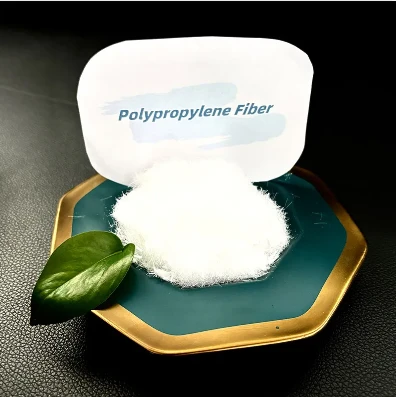
Polypropylene fiber, often referred to as PP fiber, is revolutionizing a multitude of industries with its versatile applications and exceptional properties. As an established authority in the field of technical textiles, I’m here to share valuable insights and professional expertise on this remarkable product. My aim is to provide an experience-rich overview that highlights its capabilities, reliability, and trustworthiness in various sectors. At the core of PP fiber's popularity is its superior material properties. Lightweight yet incredibly robust, polypropylene fiber offers an ideal balance of strength and flexibility that surpasses many other fibers. Known for its high resistance to chemical degradation, it is widely used in environments where exposure to harsh chemicals is frequent. Additionally, PP fiber's hydrophobic nature makes it an unparalleled choice for moisture-prone applications. It effectively repels water, making it indispensable in the production of outdoor clothing and gear, as well as in geotextile projects aimed at erosion control. The construction industry has embraced PP fiber wholeheartedly, incorporating it into concrete to enhance structural integrity. Fibers distributed throughout the concrete mixture significantly improve its tensile strength and reduce crack formation. This application has a profound impact on the longevity and durability of structures . Builders and architects who have adopted the use of polypropylene fiber in concrete reinforcement talk highly of its cost-effectiveness, noting a significant reduction in the need for traditional reinforcement materials. This, combined with its ease of incorporation, underscores PP fiber’s authority as a leading material choice for modern construction challenges. In the automotive sector, manufacturers deploy PP fiber due to its lightweight properties, which contribute to improved fuel efficiency. The fibers are frequently woven into vehicle interiors, seat covers, and even dashboard components, providing not only strength and durability but also aesthetic appeal and comfort. Automotive experts appreciate its recyclability and low environmental impact, aligning with the global shift towards sustainable manufacturing practices. This makes PP fiber not only an expert choice but also an eco-friendly one. pp fiber The medical field capitalizes on the expertise that polypropylene fibers offer in non-woven fabric production. Used in disposable surgical gowns, masks, and other protective wear, these fibers ensure high levels of hygiene and safety. The non-allergenic nature of PP fiber ensures that it can be used in medical environments without causing adverse reactions, thus building trust among healthcare providers and patients alike. It is a clear testament to its authoritative role in safeguarding health. Beyond just industrial applications, the sportswear market is also tapping into the potential of PP fibers. Athletes require materials that provide comfort, flexibility, and waterproof features, making PP fiber an ideal choice. Performance apparel designed with polypropylene is gaining popularity for its breathability and moisture-wicking properties, helping athletes maintain optimal performance levels by regulating body temperature. The fiber’s quick-drying capability is especially valued by sports apparel experts for ensuring comfort during and after intense workouts. Reinforcing its commitment to sustainability, PP fiber manufacturers are continually working on innovation and improvement. The development of bio-based variants and enhancements in recycling technologies illustrates their authoritative status as leaders in sustainable materials. Trustworthiness is further promoted by their adherence to stringent quality and safety standards, ensuring that every fiber produced is of the highest caliber. With a wealth of applications across diverse industries, PP fiber is not just another material—it's a cornerstone of modern manufacturing. Its unique combination of properties ensures that whether it’s for construction, automotive, medical, or athletic use, PP fiber provides unparalleled solutions. The continued advancement and adoption of polypropylene fibers across sectors highlight its pivotal role as an essential and trustworthy component in today’s dynamic world of materials science. As the knowledge and experience surrounding PP fiber continue to expand, its capacity for innovation and reliability remains indisputable.
-

Hydroxypropyl methylcellulose (HPMC) is an intriguing compound that has carved its niche in the product world due to its multifaceted applications and properties. As someone deeply experienced in the domain of cellulose derivatives, I can attest to the remarkable benefits and versatility of HPMC, which transcend its basic chemical composition. To begin with, understanding HPMC's chemical structure is crucial for leveraging its full potential. HPMC is a chemically modified cellulose ether, derived from cellulose, one of the most abundant natural polymers. This modification endows it with water solubility and surface activity, making it incredibly useful in industries ranging from pharmaceuticals to construction. In the pharmaceutical domain, HPMC is lauded for its proven efficacy as an excipient. Its role as a film-coating agent helps in the sustained release of active ingredients, thereby enhancing the therapeutic efficacy and patient compliance. I have observed firsthand how pharmaceutical formulations utilizing HPMC achieve consistent drug delivery, which is critical in chronic health conditions where dosage accuracy is paramount. Moreover, HPMC's application in the food industry cannot be overstated. As a food additive, it functions as a thickening, stabilizing, and emulsifying agent, all of which are essential for the texture and shelf life of various products. Its non-toxic and non-allergic properties further underscore its safety, a factor that is heavily scrutinized in food manufacturing. In the construction sector, HPMC stands out as a game-changer. It plays a crucial role in the formulation of construction materials such as tile adhesives, wall putties, and cement renders. Based on my experience in the field, HPMC contributes to improved workability, water retention, and open time of cement-based products. This ensures that construction tasks are executed with higher precision and durability, qualities that professionals continuously seek in materials. hpmc hydroxypropyl methylcellulose From an authoritative standpoint, the global acceptance and regulatory approvals of HPMC speak volumes about its trustworthiness and reliability. The compound complies with numerous international standards, including those set by the US FDA and the European Food Safety Authority (EFSA), reinforcing its credibility in its varied applications. Furthermore, as sustainability becomes increasingly vital, HPMC's inherent biodegradability positions it as a preferable choice over synthetic alternatives. Companies aiming to enhance their environmental footprint find HPMC a suitable ally in reducing the carbon impact traditionally associated with certain manufacturing processes. In my expert opinion, businesses and consumers alike should harness the full potential of HPMC by understanding its diverse applications and the scientific principles governing its functionality. This knowledge empowers informed decision-making, ensuring that HPMC is not only utilized effectively but also ethically, in alignment with global sustainability goals. In conclusion, hydroxypropyl methylcellulose is not merely a product but a transformative material that embodies a blend of innovation , safety, and environmental responsibility. Its strategic use across various sectors continues to shape industries and improve product performance, establishing it as a cornerstone in modern manufacturing and development.
advantages
-

200000 Viscosities
Excellent product
We can produce pure products up to 200,000 viscosities
-

40000 tons
High yield
We don’t stop production all year round, and the annual output can reach 40,000 tons
-

24 hours
Quality service
We provide 24-hours online reception service, welcome to consult at any time
———— Inquiry Form
Schedule A services
-
 fabricants_de_fibres_de_polypropylene
Oct . 25, 2025
Understanding Gypsum-Based Chemical Additives Applications and Benefits Gypsum, a naturally occurrin -
 hpmc_e3
Oct . 25, 2025
HPMC Monograph Your Comprehensive Guide to Understanding Hydroxypropyl Methylcellulose in Product Fo -
 nylon_fibre_is
Oct . 25, 2025
In the dynamic world of construction and infrastructure, material performance is the foundation of l


